How Lotus Fabric Can Be a Win for the Earth 🌱
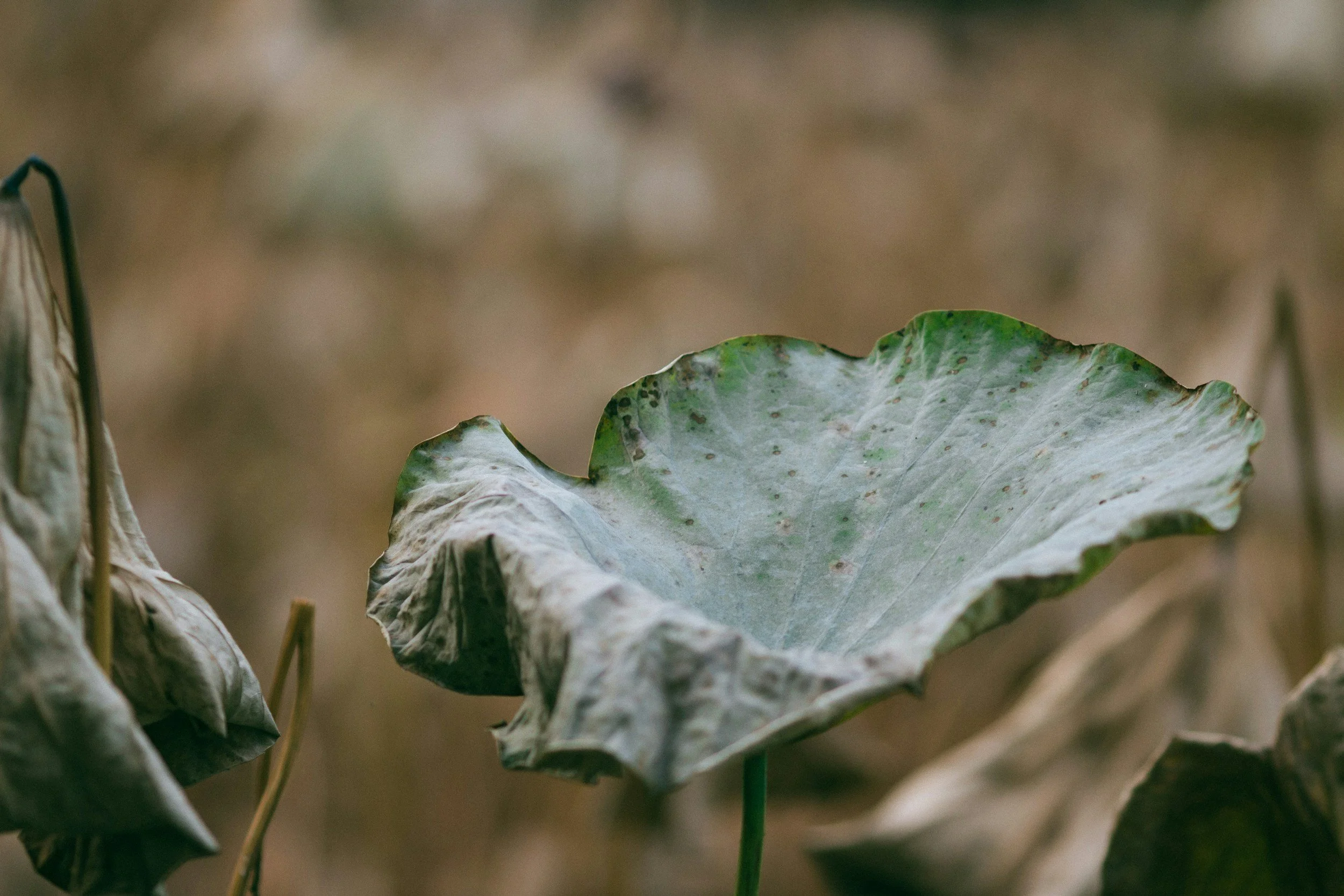
As the fashion and textile industries face growing pressure to become more sustainable, designers and consumers alike are searching for materials that are kinder to the planet. One surprising hero emerging from nature is lotus fabric—a rare, plant-based textile made from the stems of the lotus flower. Long treasured in parts of Southeast Asia, lotus fabric offers unique environmental advantages that make it a promising option for a greener future.
What Is Lotus Fabric?
Lotus fabric is made by extracting fine fibers from the stems of the lotus plant, which are then hand-spun and woven into cloth. Unlike conventional fabrics, the process is almost entirely natural and chemical-free. Traditionally produced in countries like Myanmar, Vietnam, and Cambodia, lotus fabric has been used for centuries in religious and cultural garments.
A Low-Impact, Natural Material
One of the biggest advantages of lotus fabric is its minimal environmental footprint. Lotus plants grow naturally in water and do not require pesticides, herbicides, or genetic modification. This alone sets them apart from crops like conventional cotton, which often rely heavily on chemicals that pollute soil and waterways.
Additionally, lotus fabric production does not involve harsh dyes or toxic treatments. The fibers are naturally breathable, lightweight, and resistant to odor, reducing the need for chemical finishes.
Uses Agricultural Waste Instead of Creating More
Lotus stems are often discarded after harvesting the flowers. Turning these stems into fabric adds value to agricultural waste, reducing the need for additional raw material production. This circular approach helps minimize waste while making full use of what nature already provides.
By contrast, many synthetic fabrics are derived from fossil fuels and contribute to microplastic pollution every time they are washed. Lotus fabric is fully biodegradable, meaning it safely returns to the earth at the end of its life cycle.
Water and Energy Friendly
While lotus plants grow in water, the fabric-making process itself uses far less water than many mainstream textiles. There is no intensive washing, bleaching, or industrial processing. Most lotus fabric is still produced by hand, which significantly lowers energy consumption and carbon emissions.
This slower, more intentional production method aligns with the principles of slow fashion—prioritizing quality, longevity, and environmental responsibility over mass production.
Supporting Biodiversity and Local Communities
Lotus plants contribute positively to aquatic ecosystems by supporting biodiversity and improving water quality. Cultivating lotus does not degrade land or contribute to deforestation, making it an environmentally gentle crop.
On a social level, lotus fabric production often supports local artisans and rural communities, providing fair employment and preserving traditional craftsmanship. Sustainability isn’t just about the environment—it’s also about people.
Challenges and the Road Ahead
It’s important to be honest: lotus fabric is not yet a perfect solution. The process is labor-intensive, which makes the fabric expensive and difficult to scale for mass markets. However, as technology improves and demand for sustainable textiles grows, lotus fabric could inspire new innovations in eco-friendly production.
A Small Fiber with Big Potential
Lotus fabric represents a powerful idea: that nature already holds many of the answers to our sustainability challenges. By embracing materials that work with the earth rather than against it, we can reduce pollution, protect ecosystems, and reshape the fashion industry into something more responsible.
Choosing lotus fabric may seem like a small step—but woven together with many others, it could help create a healthier planet for future generations 🌍